Route 01
Marangu
6 days · huts · ~72 km
From $1,980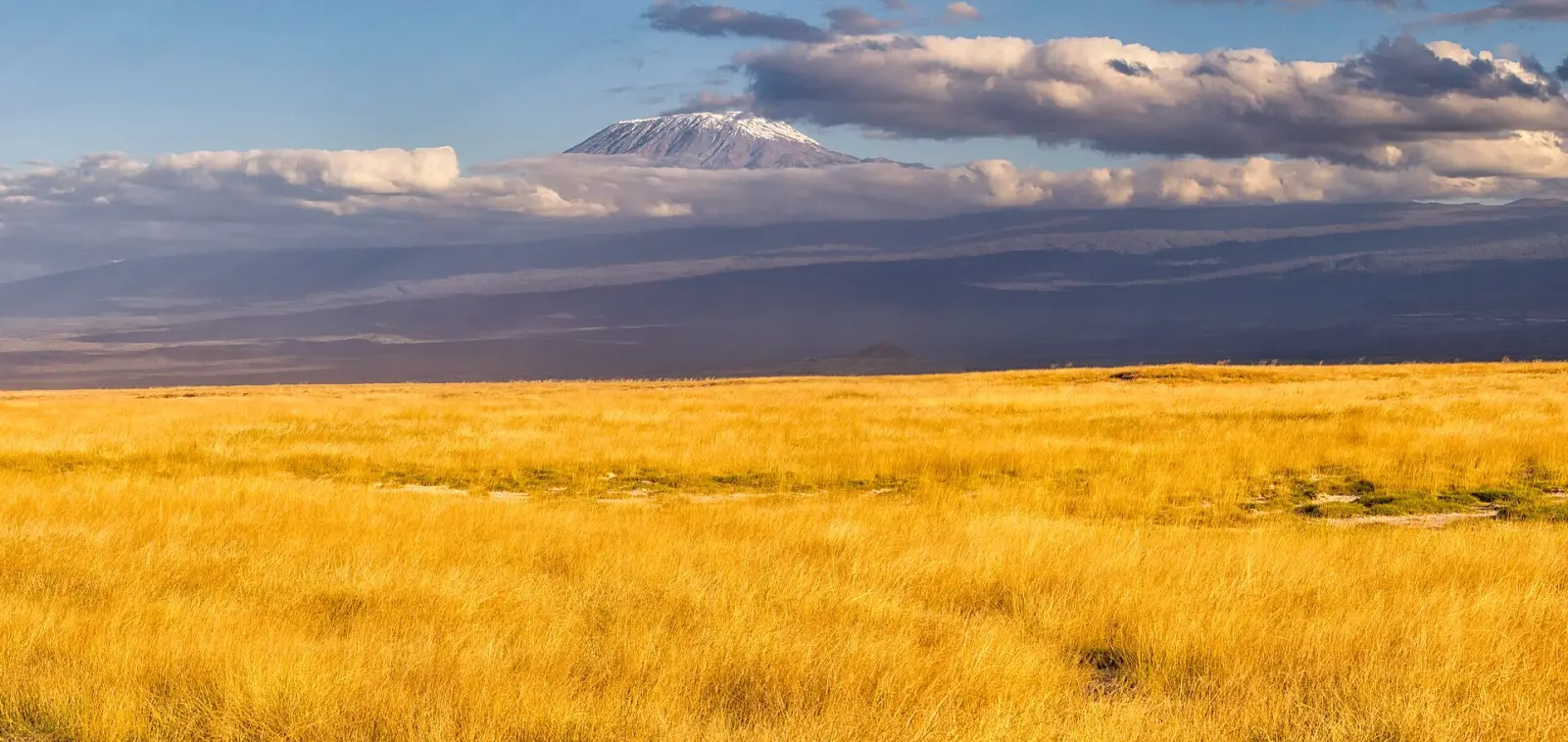
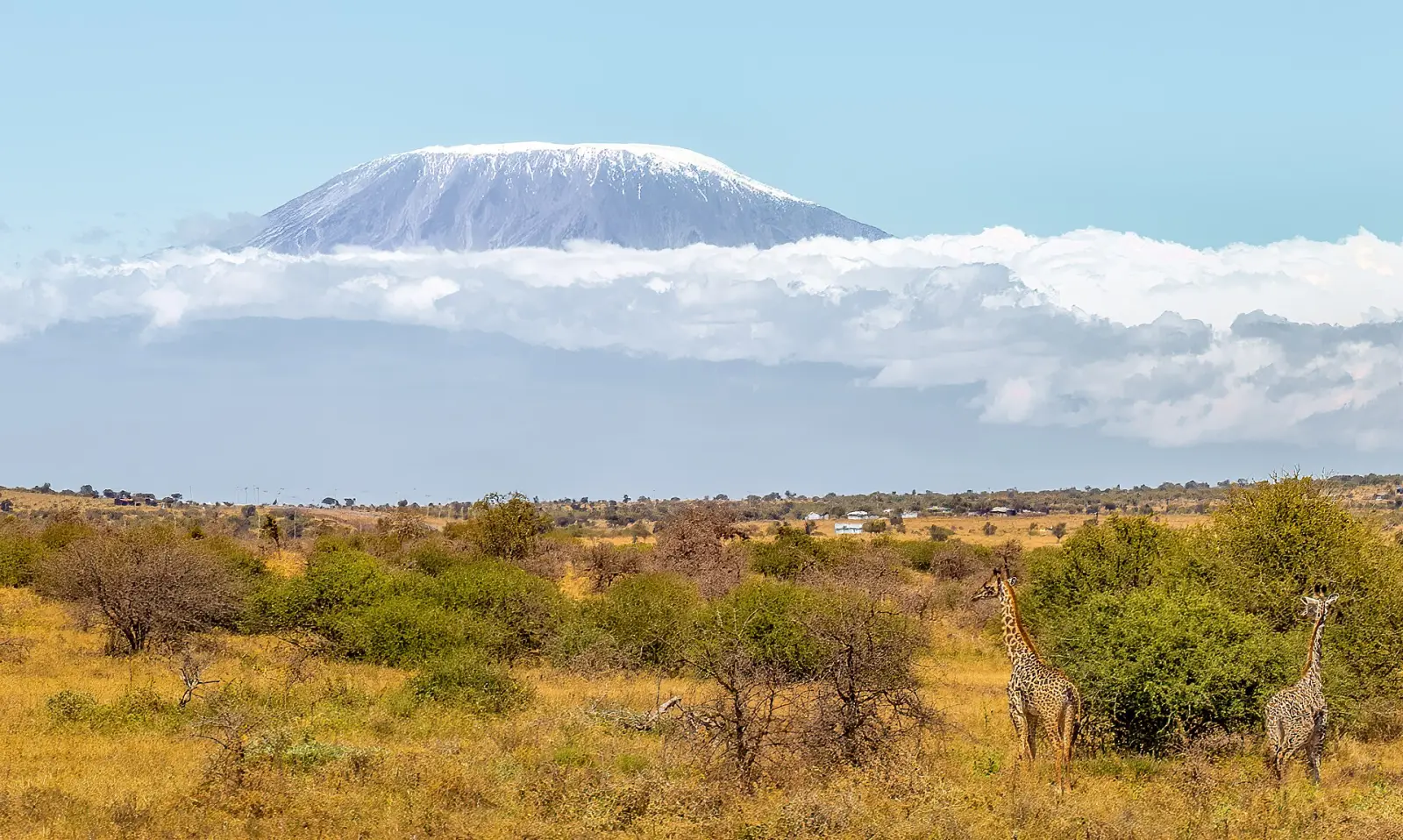
01Uhuru Peak · 5,895 m
Roof of
Africa
Five routes, one summit. We plan every climb around a single idea: walk slowly, sleep well, arrive strong.
Five ways up Kilimanjaro
Every route ends at the same summit. They differ in days, scenery and crowds, and above all in how gently they let your body adapt to altitude.
6 days · huts · ~72 km
From $1,980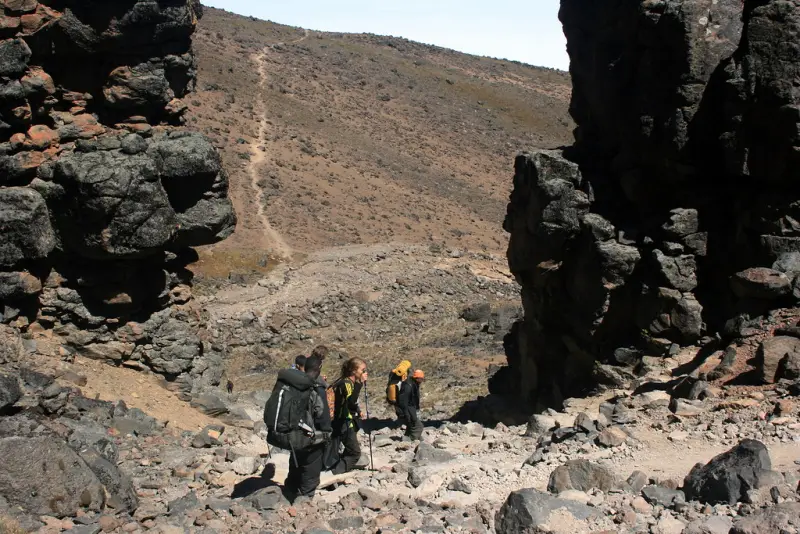
7 days · camping · ~62 km
From $2,350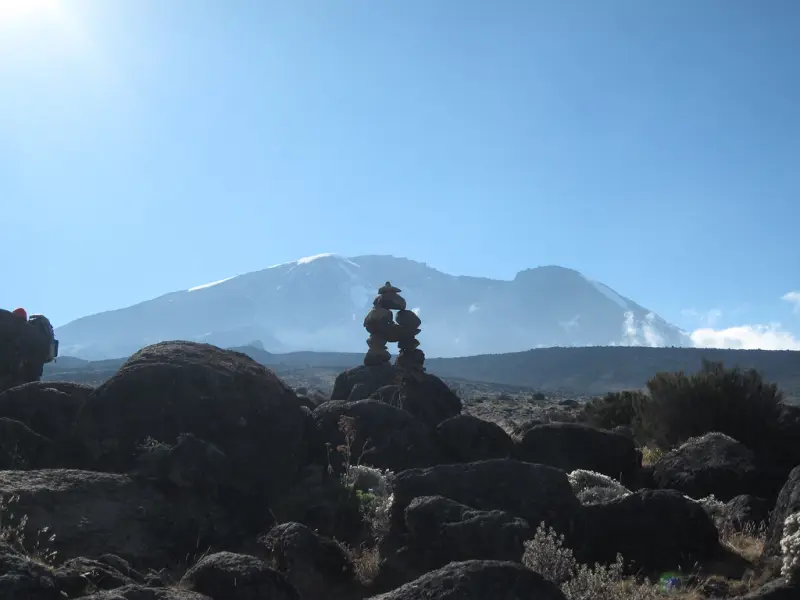
8 days · camping · ~70 km
From $2,890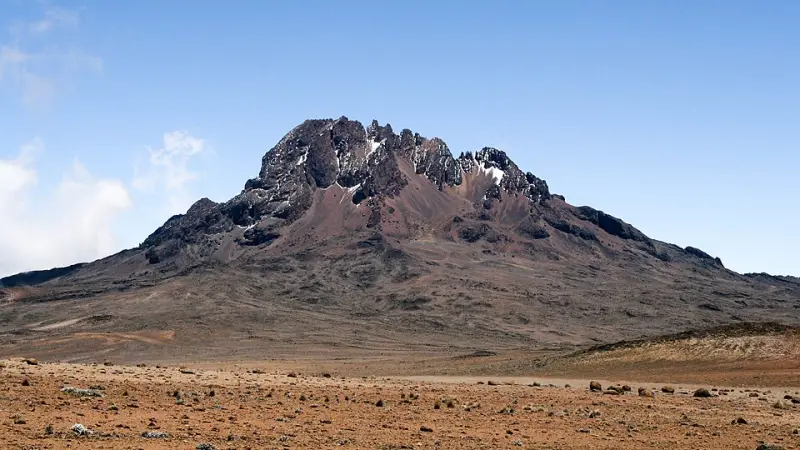
7 days · camping · ~73 km
From $2,450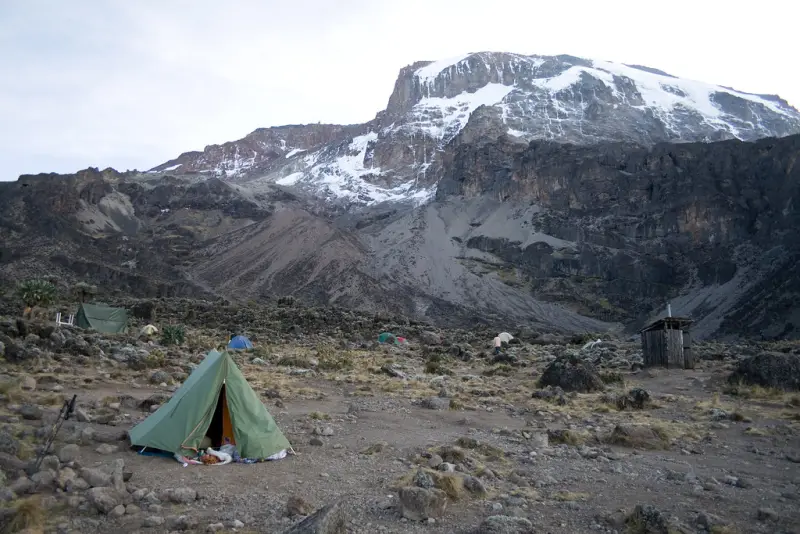
9 days · camping · ~90 km
From $3,350| Route | Days | Distance | Sleep in | Acclimatisation | Crowds | From |
|---|---|---|---|---|---|---|
| MaranguSouth-east · same way up and down | 6 | ~72 km | Shared huts | Busy | $1,980 | |
| MachameSouth-west · Lava Tower, Barranco Wall | 7 | ~62 km | Tents | Busy | $2,350 | |
| LemoshoWest · across the Shira Plateau | 8 | ~70 km | Tents | Quiet start, busier later | $2,890 | |
| RongaiNorth · drier side, near Kenya | 7 | ~73 km | Tents | Quiet | $2,450 | |
| Northern CircuitWest, then round the north slopes | 9 | ~90 km | Tents | Quietest | $3,350 |
Acclimatisation reflects the number of days and how well a route follows the climb-high, sleep-low pattern. More days on the mountain is the single biggest thing you can do for your summit chances.
Day by day
Our most chosen climb. Day three climbs to Lava Tower at 4,630 m and drops back to sleep at Barranco, the classic climb-high, sleep-low move. Tap a day to see the stage.
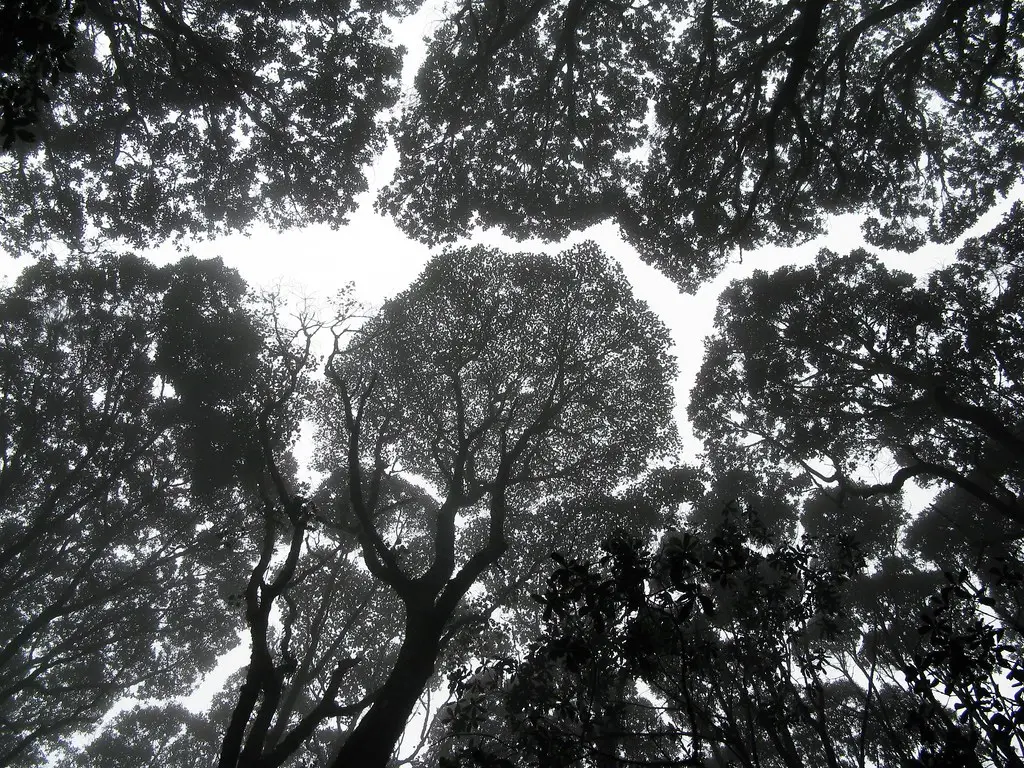
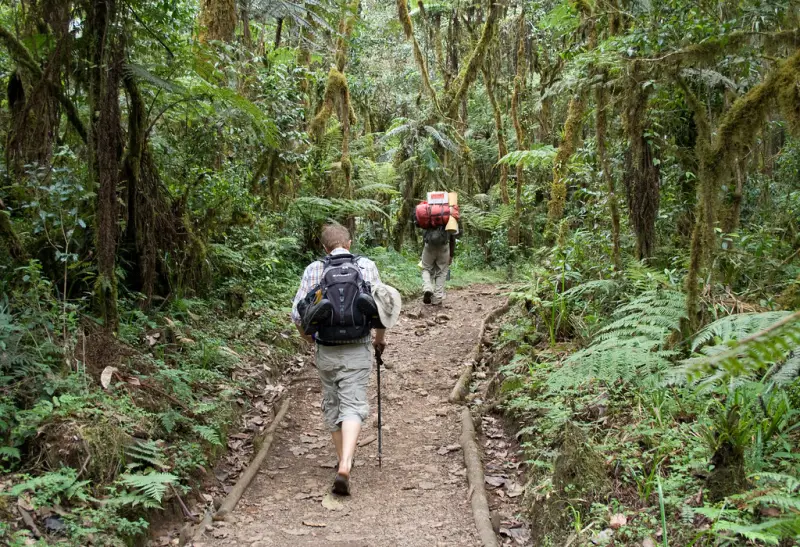
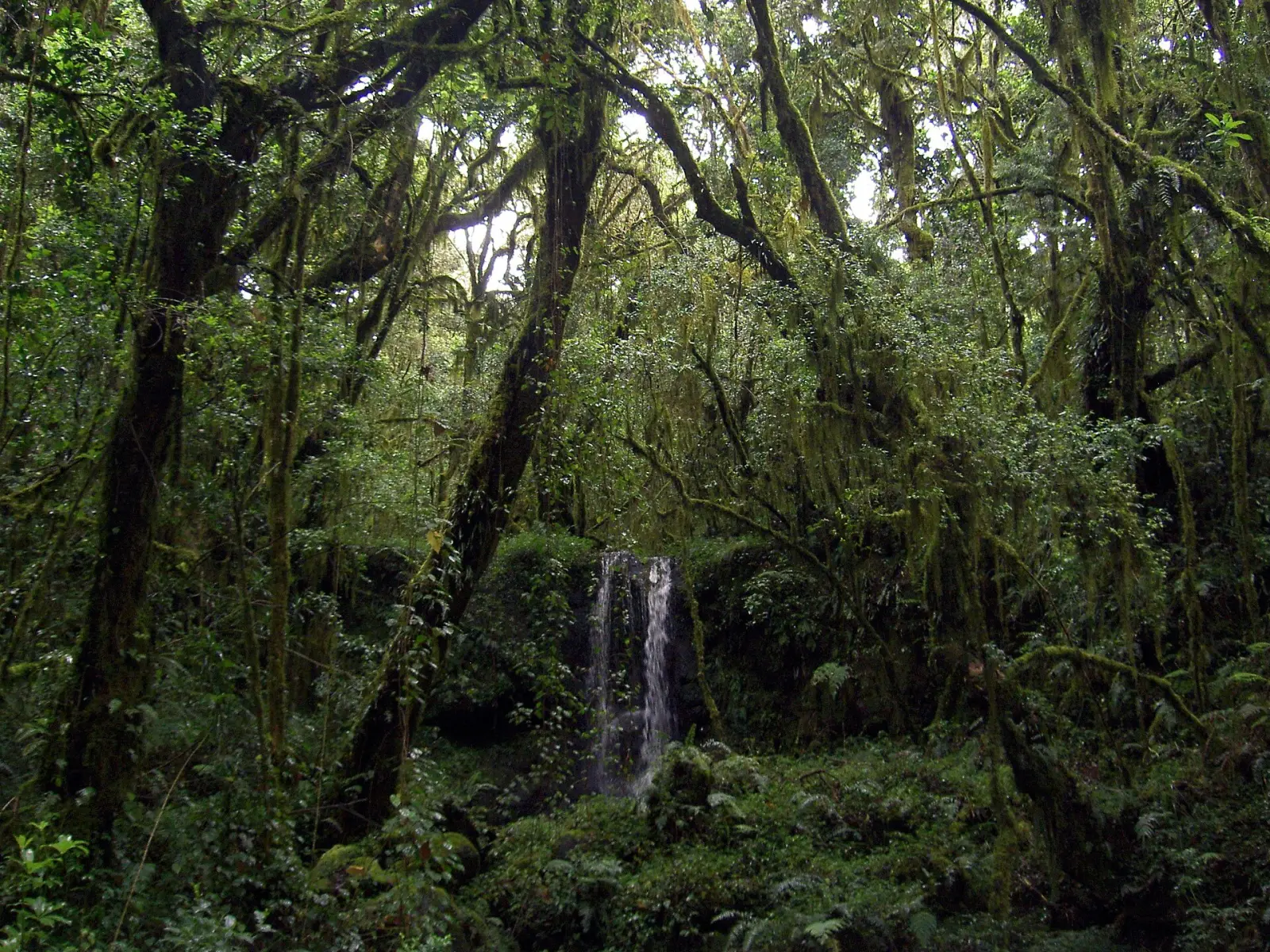
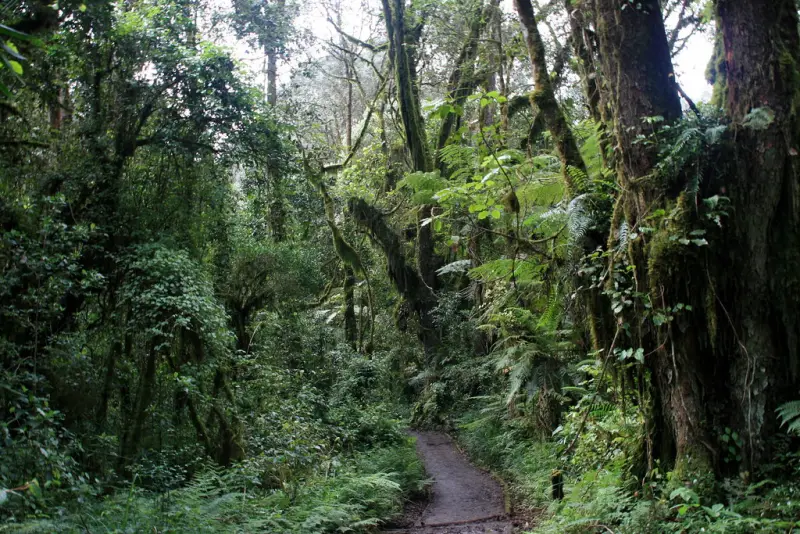
A morning drive from Moshi to the gate, registration with the park, then a steady climb on a muddy, root-laced path through tall montane rainforest. Listen for colobus monkeys and turacos.
Pole pole starts here. If you can't hold a conversation, you are walking too fast.
The forest gives way to giant heather and open moorland. A shorter, steeper day up a rocky ridge onto the Shira Plateau, with the first wide views of Kibo and, on clear evenings, Mount Meru to the west.
Short day, long rest. Drink three to four litres and keep walking slowly around camp.
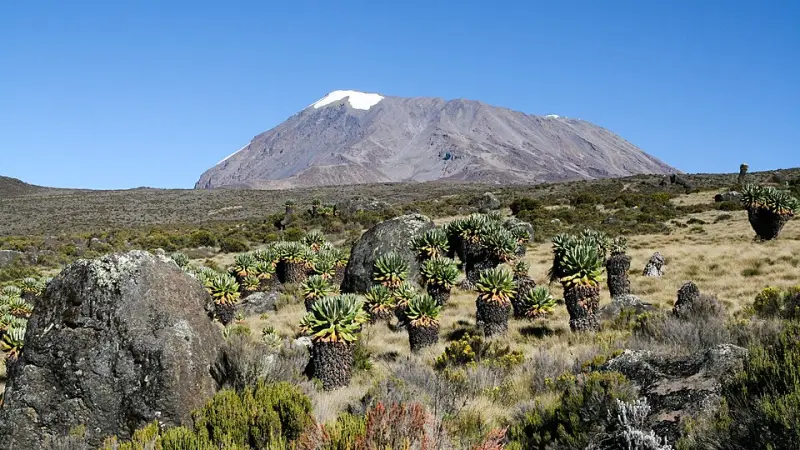
East into alpine desert, climbing to lunch below the 4,630 m Lava Tower. Then down through groves of giant groundsels into the Barranco Valley. You touch high altitude and sleep 650 m lower.
Headaches at Lava Tower are common and usually fade on the way down. Tell your guide anyway.
The morning starts on the Barranco Wall, a 257 m scramble that looks harder than it is. Hands on rock, a guide beside you, no ropes needed. Then a roller-coaster traverse of ridges and valleys to Karanga Camp.
On the seven-day plan this is a gentle day by design. It buys your body one more night to adjust.
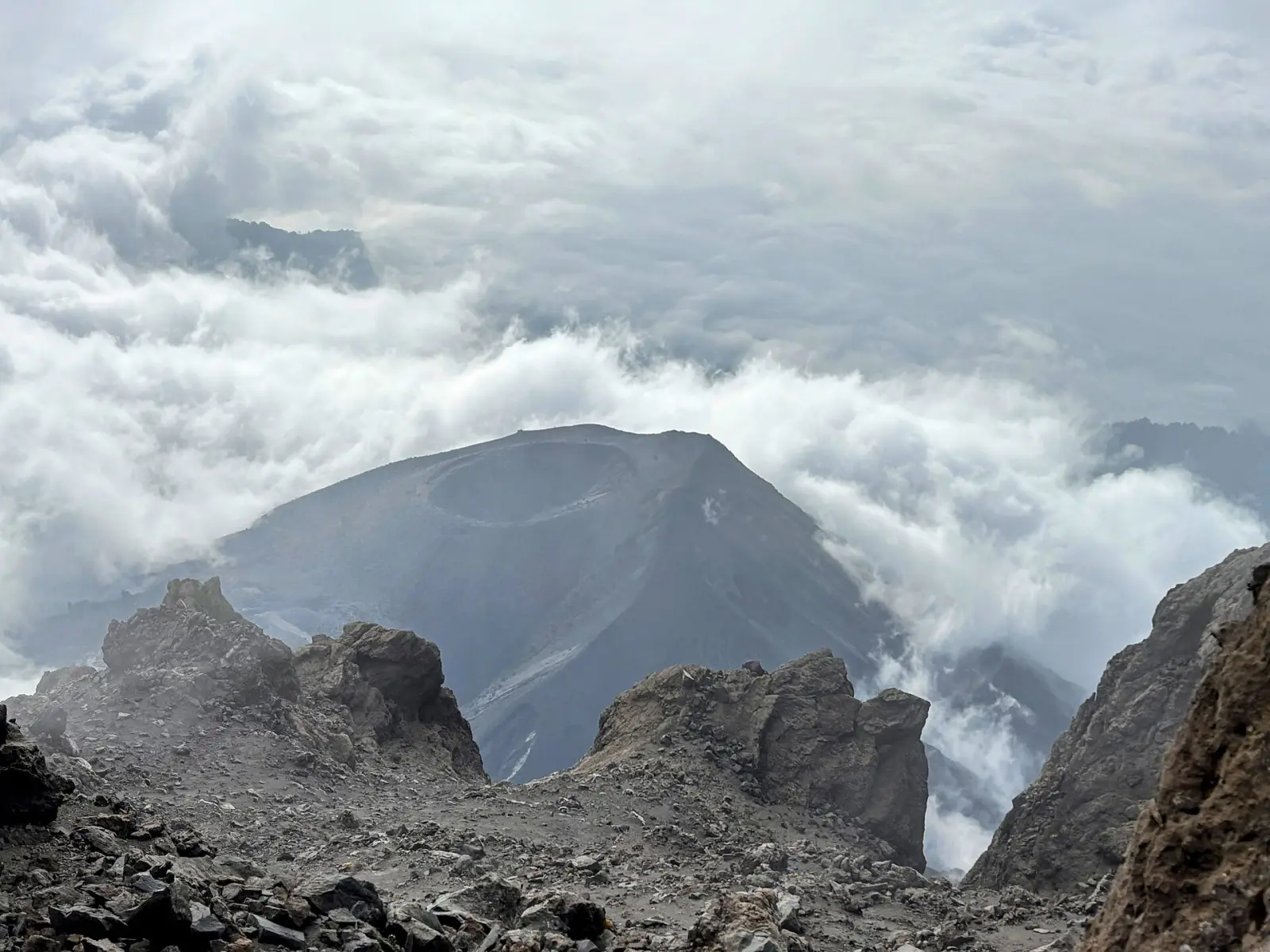
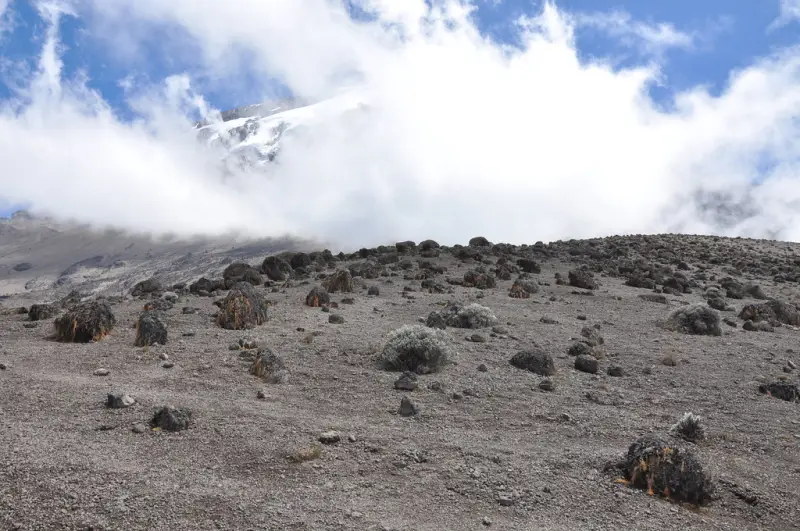
A steady climb over bare scree to Barafu, base camp for the summit, on a windy ridge. Early dinner, a final kit check with your guide, and bed by seven. The wake-up call comes before midnight.
Lay out your summit layers before you sleep. At 23:30 you will be glad you did.
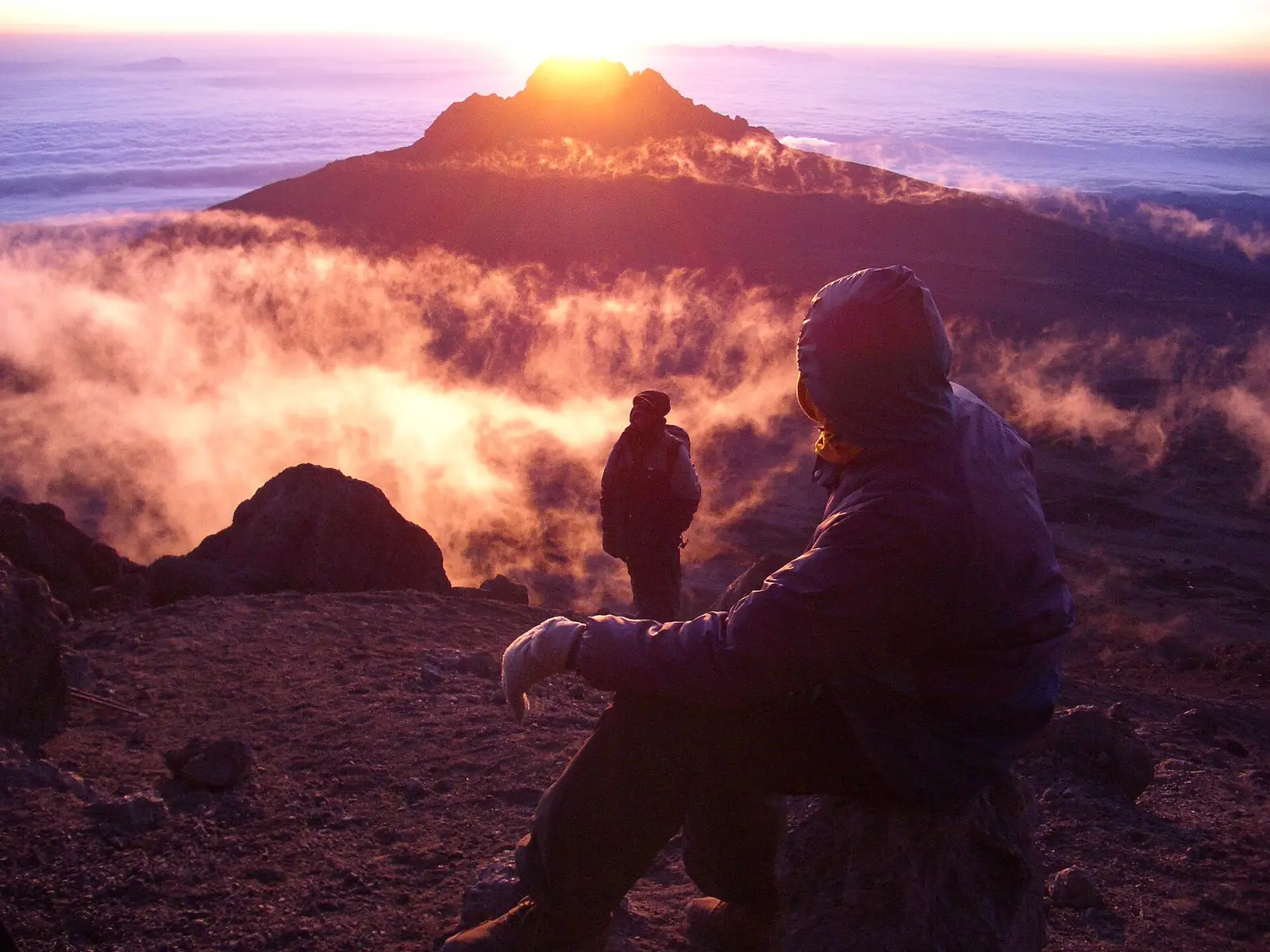
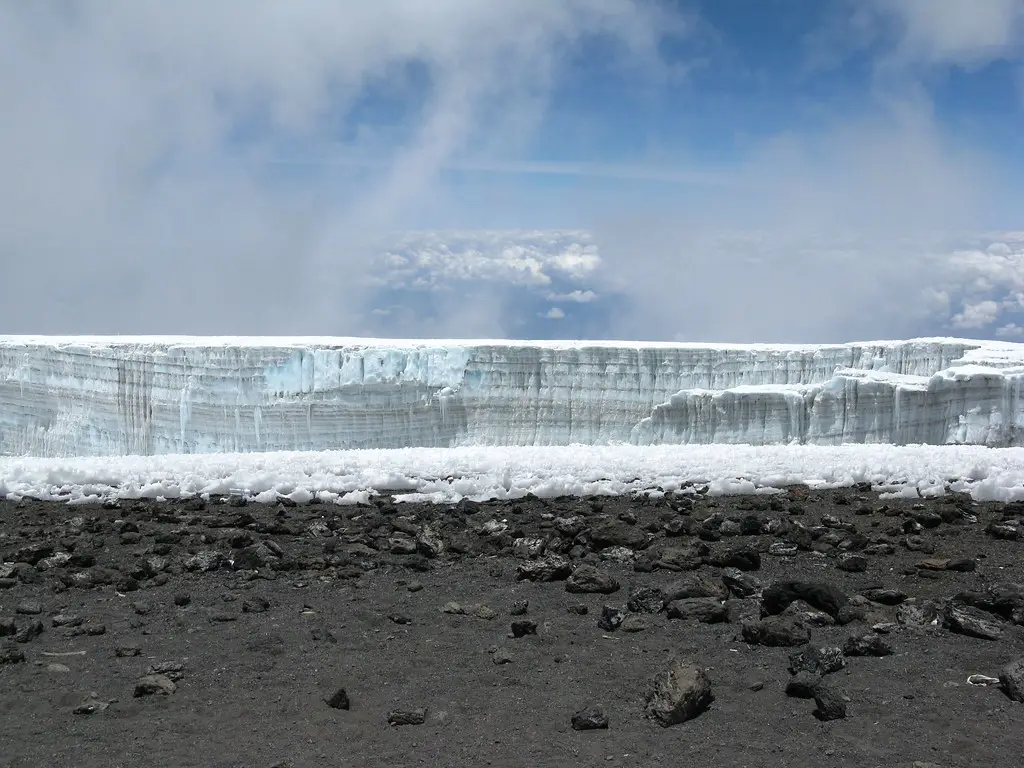
Head torches on around midnight. Slow switchbacks to Stella Point on the crater rim at 5,756 m, usually around sunrise, then an hour along the rim, past the glaciers, to Uhuru Peak at 5,895 m. Photos, a hug, and a long descent to Mweka Camp.
The biggest day of the climb: about 1,200 m up, then 2,800 m down. Your guide sets the pace and the turn-around time.
Back into the forest on a well-made path. Summit certificates at the gate, a goodbye with the crew who carried you up, and a drive back to Moshi for the longest, hottest shower of your life.
Knees take the strain today. Poles shortened, small steps, no racing.
Before: arrival night in Moshi, briefing and gear check.After: one more night in Moshi to rest.Total: about 62 km on foot.
The climb, in one breath
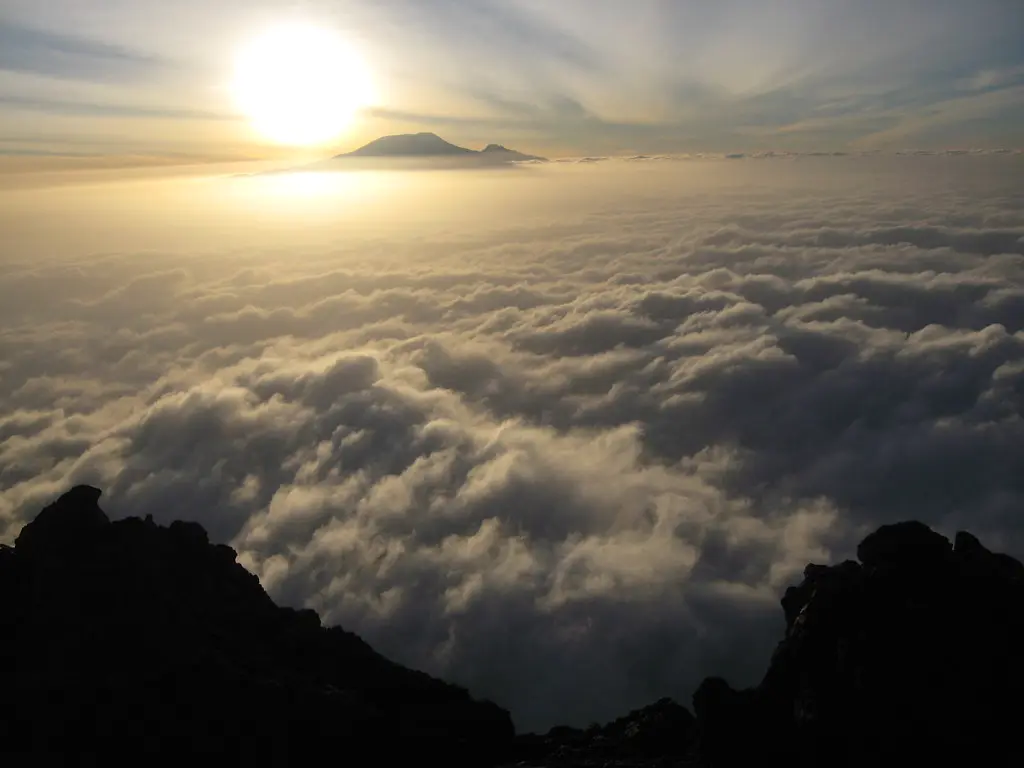
Walking from the farms above Moshi to the crater rim is often compared to walking from the equator to the Arctic in a week. Each band of the mountain has its own plants, weather and pace.
“Theluji means snow. Most people come for the last few hundred metres of it. We want you to love the whole walk.”The Theluji crew, Moshi
What it costs
Per climber, for two or more on a private departure. Park, camping and rescue fees, usually the largest part of any Kilimanjaro price, are included, not added later.
Solo climbers add $350. Prices in US dollars, per person, before tips. Arrival and departure nights in Moshi are included on every climb.
Packing list
Tick things off as you pack. Your list stays on this device. Nights at Barafu often drop well below freezing, so warm layers matter more than anything else.
Safety on the mountain
Altitude does not care how fit you are. These are the habits we build into every climb, from the first briefing in Moshi to the last step out of the forest.
Pulse oximeter readings and a short altitude-sickness questionnaire every morning and evening, written down so changes are easy to spot.
Bottled oxygen, a full first-aid kit and a stretcher travel with every group, whatever the route or group size.
On summit night every pair of climbers has a guide at their side, so one person turning back never ends the climb for the rest.
Descending is the treatment for altitude sickness. The lead guide's call is final, and it is agreed with you at the briefing, not on the mountain.
Every bag is weighed at the gate and porter loads stay within the park's 20 kg limit. Crew get proper boots, warm jackets, tents and three meals a day.
We confirm your climb once we have seen travel insurance that covers trekking to 6,000 m, including evacuation.
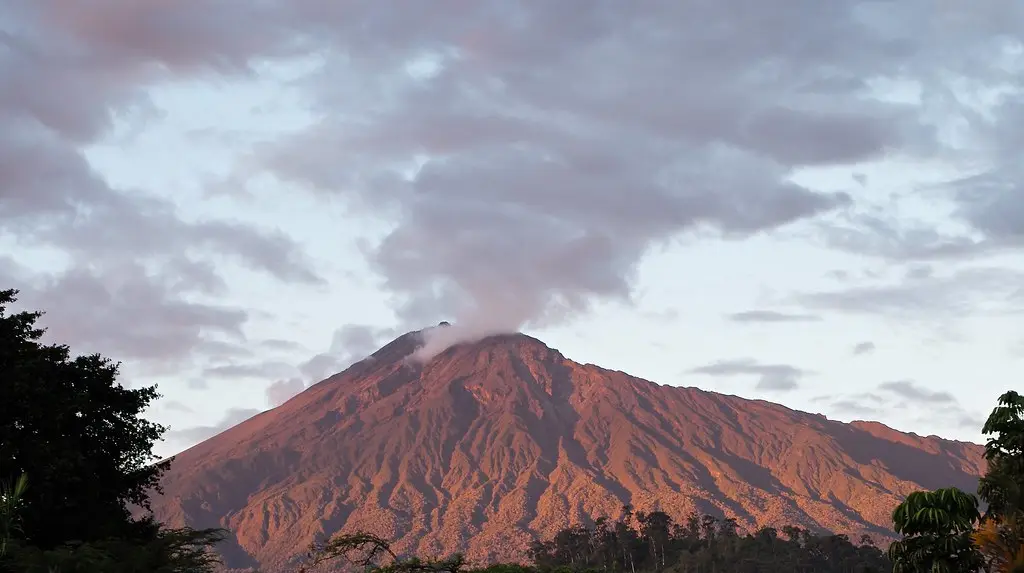 4,562metres
The warm-up mountain
Tanzania's second-highest mountain is a climb in its own right and the best acclimatisation you can do before Kilimanjaro. Giraffe and buffalo graze below the forest, so an armed park ranger walks with every group.
Enquire
Tell us roughly what you want. The estimate updates as you go, and a guide replies with dates and a firm quote.